Layering is not about owning more products — it is about putting the ones you have in the order that lets each one work. The rule is simple: lightest first, heaviest last.
The correct order
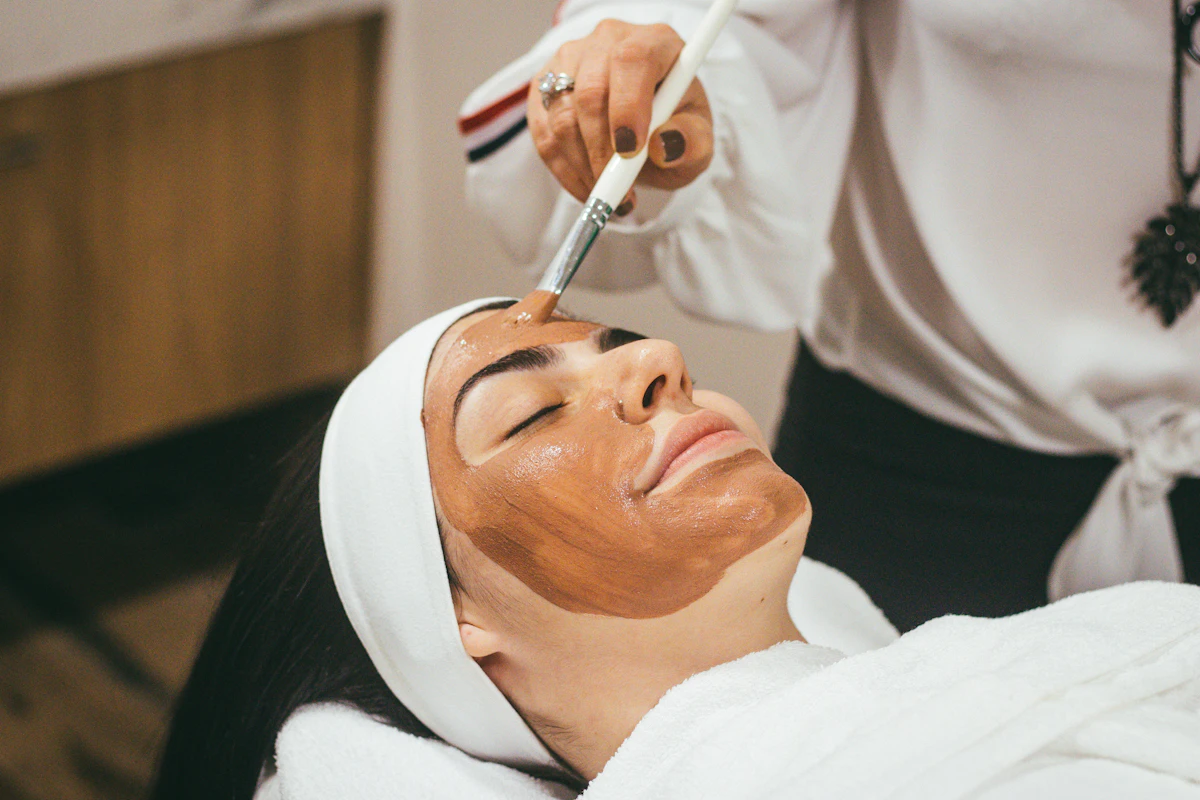
Cleanse, then toner, then serum, then moisturiser, then sunscreen in the morning. Each step is slightly thicker than the one before it. A watery toner such as the Urapara Face Toner Anti-Aging 100ml (Rs 854) goes on first, a concentrated serum such as the Teashell Niacinamide Brightening Serum 30 ml (Rs 665) second, and a cream such as the Chalonese Skin Brightening Cream 20g (Rs 630) last to seal everything in.
Why the order matters
Thin products cannot pass through thick ones. If cream goes on before serum, the serum sits on top of the cream instead of reaching the skin. And serum applied to toner-damp skin spreads further and absorbs more evenly than serum on bone-dry skin.
How long to wait between layers
About a minute, or until the previous layer no longer feels wet. You do not need a timer — if your skin feels tacky rather than slippery, the next layer can go on. Piling everything on at once just mixes the products together on the surface.
Common mistakes
Applying moisturiser first “to soften the skin” (it blocks everything after it), using three serums at once when one would do, and skipping sunscreen in the morning after building a careful routine underneath it.
A simple routine that follows the rule
Morning: rinse or cleanse, toner, serum, cream, sunscreen. Night: cleanse, toner, serum, cream. Three to four steps, in order, every day — that is the whole system.
All three are on Herlyva with cash on delivery across Pakistan: Urapara Toner Rs 854, Teashell Serum Rs 665, and Chalonese Cream Rs 630.
Both remove dead skin, but they do it in opposite ways — one dissolves, the other scrapes. Choosing the right one for your skin is the difference between a glow and a breakout.
How a face scrub works
A scrub contains tiny grains that physically rub dead skin away. It works fast and feels satisfying, but the grains do not know when to stop. On sensitive, dry or breakout-prone skin, scrubbing can create micro-tears, redness and more breakouts — especially if you press hard.
How an enzyme gel works
An enzyme exfoliating gel such as the Coracode Triple Enzyme Exfoliating Gel (Rs 630) uses enzymes to loosen the bonds holding dead skin cells, so they ball up and rinse away with gentle massage. There is no grit, so there is nothing to scratch with. The Orange Enzyme Exfoliating Gel (Rs 734) works the same way and suits the same gentle routine.
Which suits your skin?
Dry, sensitive or reactive skin: enzyme gel, once or twice a week. Oily, resilient skin that tolerates scrubs well: either works, but even then a scrub should be fine-grained and used with light pressure, never daily. If your skin stings when you moisturise after exfoliating, whichever you used was too much.
The verdict for most people
Enzyme gels are the safer default — effective, hard to overdo, and suitable for almost every skin type. Scrubs are the specialist tool: useful occasionally on tough, oily areas, but the wrong choice as a daily habit.
The Coracode Triple Enzyme Exfoliating Gel is Rs 630 and the Orange Enzyme Exfoliating Gel is Rs 734 on Herlyva, both with cash on delivery across Pakistan.
Both colour your hair, but they suit different people and different patience levels. Here is an honest comparison so you can pick the one that fits your life.

Effort and mess
Regular hair dye means mixing, sectioning, gloves, waiting, and rinsing — easily an hour, with stained towels along the way. Hair dye shampoo such as the Japanese Herbal Hair Dye Shampoo 500ml (Rs 716) is used exactly like a shampoo: lather, wait a few minutes, rinse. For most people, that difference alone decides it.
Coverage and intensity
Regular dye gives the strongest, most dramatic colour change in one session — going several shades lighter or covering resistant greys completely. Dye shampoo builds colour gradually with each wash. It is excellent for softening and covering greys and refreshing faded colour, but it will not lighten dark hair.
Upkeep
Regular dye grows out with a visible root line, so touch-ups are scheduled events. Dye shampoo fades evenly and is topped up every time you wash with it — no root line, no appointment, but you do keep using it regularly.
Hair condition
Repeated regular dyeing can leave hair dry and weak over time. Dye shampoo is gentler for frequent use, and pairing any colour routine with an occasional protein treatment such as the Bioplex Professional Hair Protein Treatment (Rs 820) keeps coloured hair strong.
The short answer
Choose regular dye for a big one-time colour change. Choose dye shampoo for easy grey coverage and low-effort maintenance. Many people use dye shampoo between salon visits to stretch the time between full dyes.
The Japanese Herbal Hair Dye Shampoo is Rs 716 and the Bioplex Hair Protein Treatment is Rs 820 on Herlyva, both with cash on delivery across Pakistan.
Toner and serum look similar in the bottle — both are light liquids — so it is no surprise people mix them up. They do different jobs, and the order you apply them in decides whether both work.
What a toner does
A toner such as the Urapara Face Toner Anti-Aging 100ml (Rs 854) is mostly water-based and light. Its job is to rehydrate the skin after cleansing and prepare it, so the products after it spread and absorb evenly. It is a preparation step, not a treatment.
What a serum does
A serum such as the Liru Collagen Vitamin-C Face Serum 30ml (Rs 1,200) is concentrated. A few drops carry the active ingredients that target a specific concern — brightness, firmness, dark spots. It is a treatment step, and it is where most of the visible change comes from.
The order that works
Cleanse, then toner, then serum, then moisturiser. Toner first because it is the lightest and wets the skin; serum second because damp skin absorbs it better; cream last to seal everything in. Reversing toner and serum means the toner dilutes and moves the serum around instead of helping it.
Do you need both?
If you could only pick one, pick the serum — it does the targeted work. Add a toner when your skin feels tight after washing, when your serum seems to sit on the surface, or when you want the routine to feel more hydrating overall. Together, they are a team: toner prepares, serum treats.
The Urapara Face Toner is Rs 854 and the Liru Collagen Vitamin-C Serum is Rs 1,200 on Herlyva, both with cash on delivery across Pakistan.
A brightening cream is a daily moisturiser with a job: keep skin hydrated while supporting a brighter, more even look over time. Used correctly, it is one of the simplest products in a routine. Used wrongly, people blame the cream for mistakes in application.

How much to use
A pea-sized amount covers the whole face. More than that does not brighten faster — it just sits on the skin and can feel greasy. Warm it between your fingertips, then press and smooth it over the face and neck.
Morning or night?
Either works, but consistency matters more than the slot. Many people use a brightening cream such as the Chalonese Skin Brightening Cream 20g (Rs 630) at night, when it can sit undisturbed, and a tone-up cream such as the VC Five Fold Vitamin C Tone-Up Cream (Rs 897) in the morning under sunscreen. If you only use one, pick the time you will never skip.
Where it goes in the routine
Cream is the last skincare step before sunscreen: cleanse, toner if you use one, serum, then cream. Applying cream before serum seals the serum out, which is the most common layering mistake.
Realistic expectations
Brightening is gradual. Expect skin to feel softer and look fresher within a couple of weeks, with visible evenness building over four to eight weeks of daily use. Sunscreen every morning protects the progress — without it, sun exposure undoes brightening as fast as you build it.
Patch test first
With any new face cream, test a small amount along the jaw for a few days before full use, especially if your skin is sensitive.
The Chalonese Skin Brightening Cream is Rs 630 and the VC Five Fold Vitamin C Tone-Up Cream is Rs 897 on Herlyva, both with cash on delivery across Pakistan.
Hair dye shampoo colours your hair while you wash it — no mixing bowls, no developer, no salon appointment. It is made for covering greys and refreshing faded colour with the least possible fuss. Here is how to use it properly.

Before you start
Do a small patch test on a hidden section first if it is your first time with any colour product. Wear old clothes or a towel over your shoulders, and put on gloves if the pack includes them — dye shampoo can stain skin and nails temporarily.
Application
Wet your hair thoroughly. Apply the Japanese Herbal Hair Dye Shampoo 500ml (Rs 716) like a regular shampoo, massaging it through from roots to ends so every strand is coated evenly. Grey areas — usually the roots and hairline — need the most thorough coverage.
Timing
Leave it on for the time stated on the pack, typically a few minutes. Longer is not better; follow the pack. Then rinse with lukewarm water until the water runs mostly clear, and condition if your hair feels dry.
Making the colour last
Use the dye shampoo as your regular wash once or twice a week to maintain the colour, and a gentle regular shampoo in between. Wash with lukewarm rather than hot water, and finish with a leave-in serum such as the Roots Hair Treatment Serum (Rs 854) on the lengths to keep coloured hair smooth.
What to expect
Coverage builds gradually — the first wash softens greys, and regular use deepens the result. It is a maintenance-friendly way to colour, not a one-time permanent dye, and that is exactly why many people prefer it.
The Japanese Herbal Hair Dye Shampoo is Rs 716 and the Roots Hair Treatment Serum is Rs 854 on Herlyva, both with cash on delivery across Pakistan.
Toner is the step most people skip because nobody explained it properly. It is not the harsh, stinging liquid from years ago — a modern toner is a light, watery layer that prepares your skin for everything after it.

What it actually does
A toner rehydrates the skin after cleansing and leaves it slightly damp, so the serum and moisturiser you apply next absorb more evenly. Think of it as the primer coat: it does not replace your treatment products, it helps them work.
Where it fits in the routine
Toner goes right after cleansing and before serum. The order is: cleanse, toner, serum, moisturiser, and sunscreen in the morning. If you use a serum such as the Teashell Niacinamide Brightening Serum 30 ml (Rs 665), the toner goes underneath it, not over it.
How to apply it
Pour a few drops of the Urapara Face Toner Anti-Aging 100ml (Rs 854) into your palms and press it gently over the face, or apply it with a cotton pad in upward strokes. Palms waste less product; cotton pads give a lighter, fresher feel. Either way, apply your serum while the skin is still slightly damp.
Who benefits most
Dry skin that feels tight after washing, skin that looks dull, and anyone whose serum seems to sit on the surface instead of sinking in. If your routine already feels complete and your skin is comfortable, a toner is an upgrade, not a requirement — but for most people it is the cheapest way to make the rest of the routine work better.
The Urapara Face Toner is Rs 854 and the Teashell Niacinamide Serum is Rs 665 on Herlyva, both with cash on delivery across Pakistan.
Glitter eyeliner looks dramatic but is actually one of the easiest eye looks to do — the sparkle hides small wobbles that a plain black line would show. These steps keep it neat and long-lasting.

Start with a clean, dry eyelid
Oil is glitter’s enemy. Blot the eyelid gently so it is dry, and if you wear eyeshadow, apply it first and let it settle. A dry base stops the liner from sliding and keeps the glitter where you put it.
Draw in short strokes
Rest your elbow on a table for steadiness. Using the CRSO Cosmetics Glitter Eyeliner (Rs 734), draw short strokes along the lash line instead of one long line — connect them as you go. Start thin at the inner corner and build thickness towards the outer corner.
Layer for more sparkle
One coat gives a subtle shimmer; a second coat, applied after the first has dried, gives full glitter. Let each layer dry fully before adding the next, or the brush will drag the first coat off.
Clean up and set
Any stray glitter under the eye lifts away with a dry cotton bud or a piece of tape pressed lightly on the skin. Avoid rubbing — it spreads the glitter. Finish the rest of your makeup after the liner, not before, so fallout does not ruin your base.
Removing it
Soak a cotton pad with makeup remover or micellar water, hold it over the closed eye for a few seconds, then wipe gently. Glitter should never be scrubbed off.
The CRSO Cosmetics Glitter Eyeliner is Rs 734 on Herlyva, with cash on delivery across Pakistan.
Nose strips only work when the skin is prepared properly. Most disappointing results come from applying them to dry skin or peeling them off too soon. Here is the routine that works.

Step 1: Cleanse and wet the nose
Wash your face first, then wet the nose area thoroughly with water. The strip needs moisture to stick and to soften the clog. A warm, damp cloth held over the nose for a minute beforehand helps even more.
Step 2: Apply with dry hands
Peel the Purederm Deep Cleansing Nose Strip (Rs 750 for a 6-pack) from its backing with dry hands and press it firmly onto the wet nose, smoothing out any air bubbles. Good contact is what pulls the clog out.
Step 3: Wait until it is fully dry
Leave the strip on until it feels stiff and dry to the touch — usually 10 to 15 minutes. Peeling early is the most common mistake; a half-dry strip lifts almost nothing.
Step 4: Peel slowly and rinse
Peel from the edges towards the centre, slowly. Rinse any residue with lukewarm water, then moisturise — the skin is freshly exposed and can feel tight.
How often, and what strips cannot do
Once a week is plenty; daily use irritates the skin. Strips clear the surface clog, but they do not stop new ones forming. Pair them with gentle weekly exfoliation — a gel such as the Orange Enzyme Exfoliating Gel (Rs 734) — to slow the build-up between sessions.
The Purederm Deep Cleansing Nose Strips 6-pack is Rs 750 and the Orange Enzyme Exfoliating Gel is Rs 734 on Herlyva, both with cash on delivery across Pakistan.
An enzyme exfoliating gel is the gentle middle ground between a harsh scrub and doing nothing. It loosens dead skin so it rinses away, without the scratching that scrubs can cause. Here is how to get the most from it.
How often to use it
Two to three times a week is enough for most skin. If your skin is dry or sensitive, start with once a week and build up only if your skin stays comfortable. More often does not mean faster results — it usually means irritation.
How to apply it
Start with a clean, dry face. Spread a thin layer of the Coracode Triple Enzyme Exfoliating Gel (Rs 630) over the skin, avoiding the eye area. Massage gently with fingertips in small circles for a minute or two — you will feel the dead skin balling up as the gel works. Rinse with lukewarm water and pat dry.
What to apply afterwards
Freshly exfoliated skin absorbs the next step better, so follow with a calming serum such as the Dr. Althea 345 Relief Serum 30 ml (Rs 768), then moisturiser. In the morning, sunscreen is a must — exfoliated skin is more sensitive to the sun.
Mistakes to avoid
Do not use it on broken or irritated skin, do not scrub hard (the enzymes do the work, not pressure), and do not combine it with other strong actives on the same night when you are starting out.
The Coracode Triple Enzyme Exfoliating Gel is Rs 630 and the Dr. Althea 345 Relief Serum is Rs 768 on Herlyva, both with cash on delivery across Pakistan.